
Category: Oil & Gas

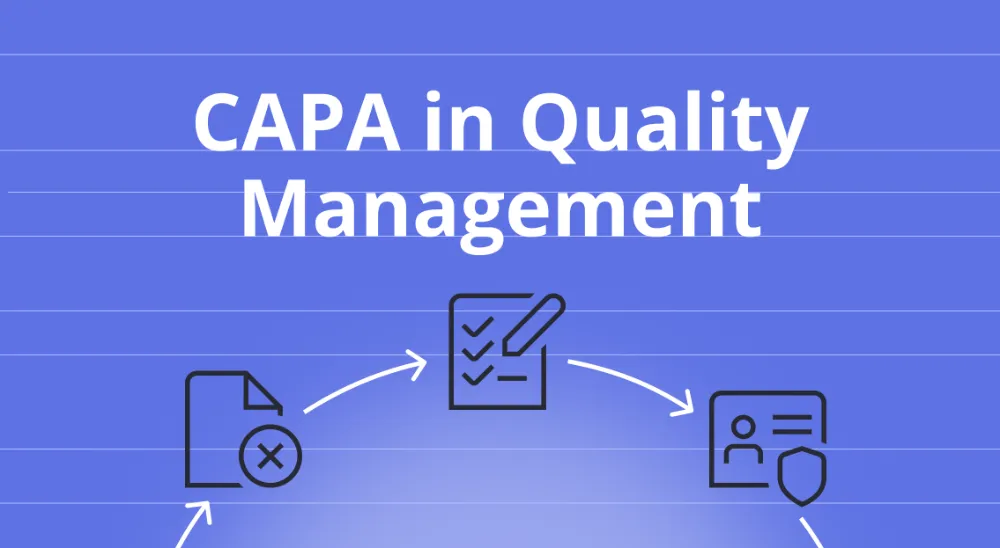
Reduction of CAPA Closure Delays in the Quality Management System

The CAPA Findings Closure Rate has remained at 68% over the past 9 months, resulting in
delayed closure of corrective and preventive actions, increased compliance risks, and audit
observations. This project aims to improve the CAPA Findings Closure Rate from 68% to 95% by
31 December 2026 through standardized processes, timely action implementation, and effective
monitoring while maintaining closure quality. Achieving this goal will enhance regulatory
compliance, reduce overdue CAPA findings and rework, improve audit readiness, optimize
resource utilization, and strengthen the overall effectiveness of the Quality Management System,
delivering measurable operational and business benefits.

Explore More

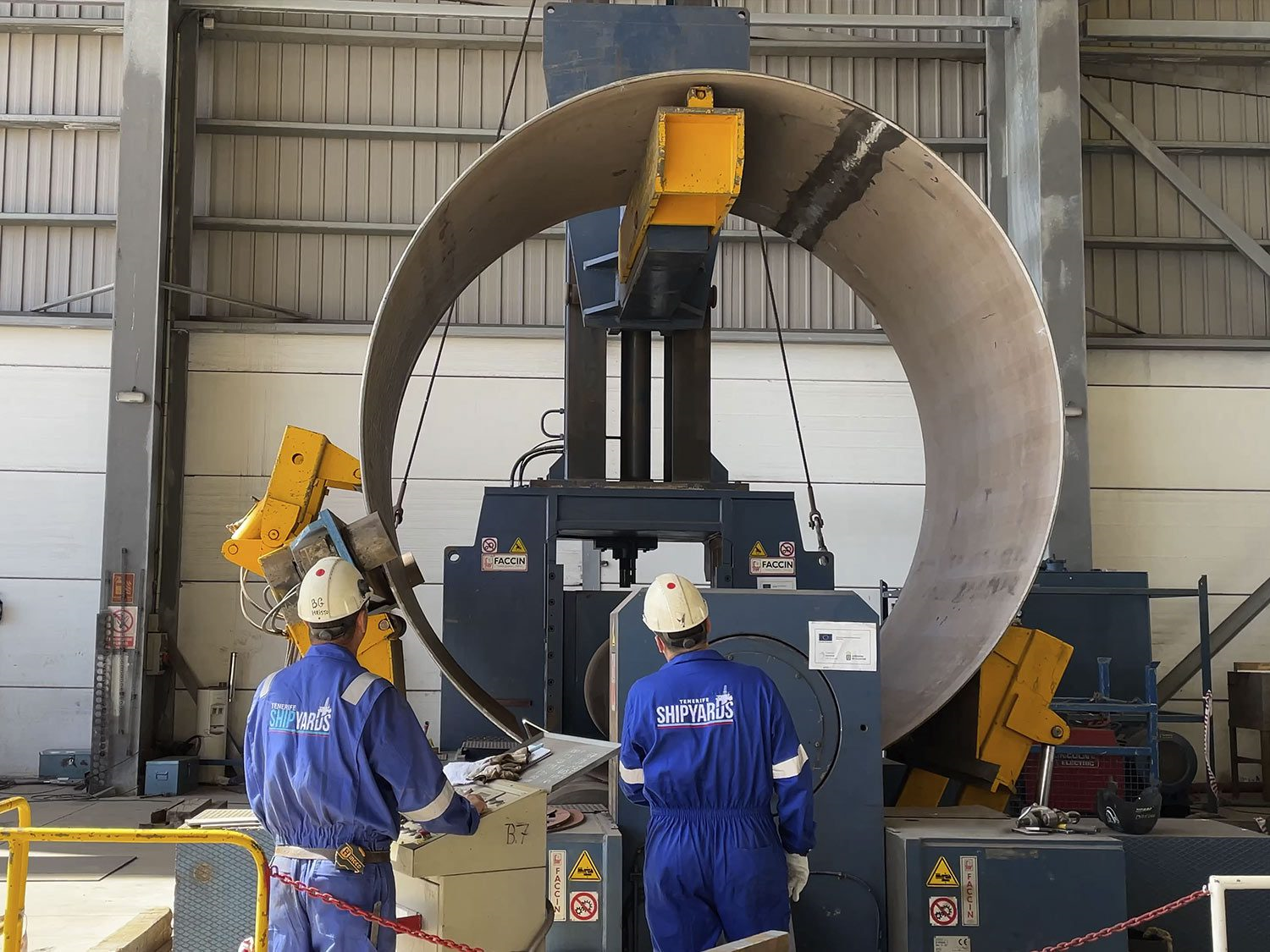
DMAIC-Based Improvement of Manpower Utilization in Offshore Structure Fabrication

The current average fabrication cycle time for HP piping and offshore structures is 4.0 days, with
significant variation ranging from 1 to 7 days, resulting in production delays, poor coordination
between fabrication, welding, blasting, and painting teams, increased waiting time, and
inefficient manpower utilization over the past 9 months. The objective of this Six Sigma project is
to reduce the average fabrication cycle time from 4.0 days to 2.5 days by December 2026.
Achieving this goal is expected to improve workshop productivity by approximately 20%,
enhance on-time project delivery, reduce idle labor and rework costs, and generate an estimated
AED 250,000 in annual savings through improved resource utilization and streamlined
production flow.

Explore More

Reduction of Weld Rejection Rate by Improving Compliance to Welding Procedure Specification (WPS)

The current weld rejection rate of 7.77% has been consistently high over the past nine months,
leading to increased rework costs, extended project timelines, higher inspection efforts, and
reduced operational productivity. These inefficiencies not only impact internal performance but
also affect customer satisfaction and overall project profitability. By reducing weld defects
through strict adherence to Welding Procedure Specifications (WPS), improved process control,
and targeted corrective actions, the organization can significantly lower the Cost of Poor Quality
(COPQ), enhance process efficiency, ensure timely project completion, and strengthen customer
confidence. This project is therefore critical to achieving sustainable quality improvement and
operational excellence.

Explore More

Subscribe to Our Newsletter

©2026, ICEQBS All Rights Reserved.