Category: Supply Chain & Logistics

Reduce Late Deliveries by Improving (OTD%) in FMCG Supply Chain Operations

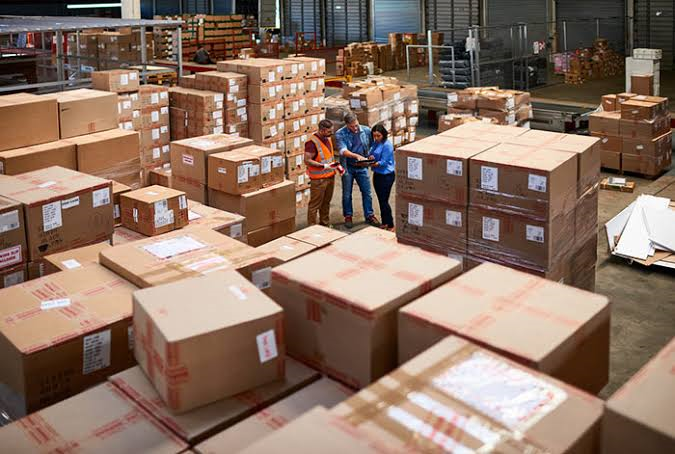
On-Time Delivery (OTD%) is currently performing at 78%, which is below customer expectations.
Late deliveries have been consistently observed over the last 9 months.
Delivery delays are affecting customer satisfaction and service level compliance.
The major contributors include dispatch delays, waiting time, and vehicle availability issues.
The current process shows high variation and inconsistent delivery performance.
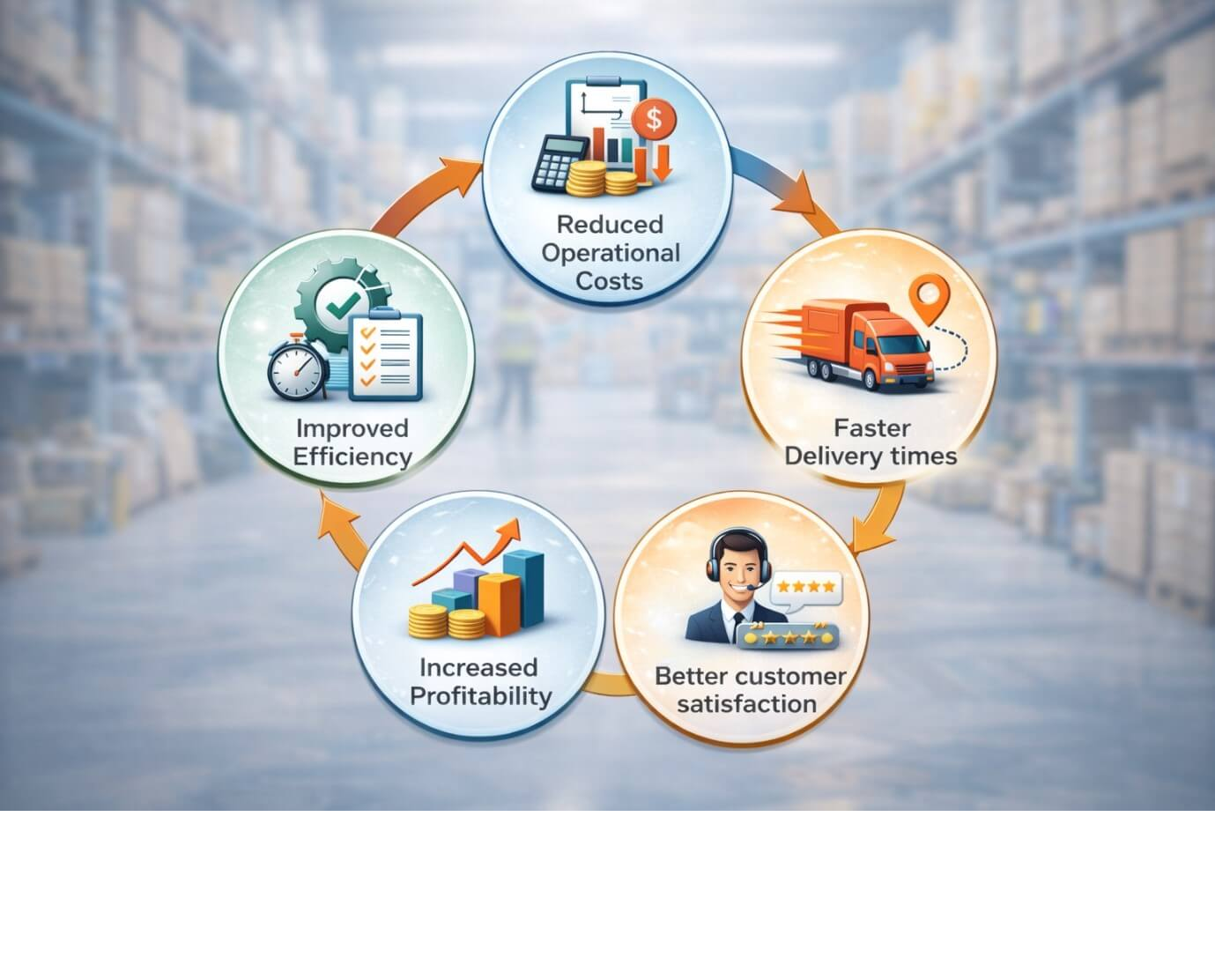
Improving OTD% is critical to enhance operational efficiency and customer experience.

Explore More

Improving Warehouse Space Utilization

Space Utilization Percentage in the warehouse is currently at 71% (average over the last 9 months) with high variability, and this condition has persisted for 9 months.
Improve Space Utilization Percentage from 71% to 85% by 31 December 2026.
Reaching 85% utilization is expected to increase storage capacity by ~20% without warehouse expansion, cut external storage/rental cost by โ‚น10โ€“15 lakhs annually, and reduce handling cost by ~10% through improved operational efficiency.

Explore More

Reduction of Inventory Discrepancy Rate in warehouse operations

The current inventory discrepancy rate of 10.6% over the past 9 months is impacting stock
accuracy, operational efficiency, and customer satisfaction. Reducing this discrepancy to 7%
within 6 months will significantly improve order fulfillment accuracy, minimize stockouts and
returns, and enhance overall warehouse productivity. This improvement is expected to deliver
key business benefits, including a 20% reduction in order fulfillment errors, improved customer
experience, and lower inventory carrying costs. Ultimately, the project supports the
organizationโ€™s strategic objective of achieving operational excellence and effective cost control
through data-driven process improvements.

Explore More

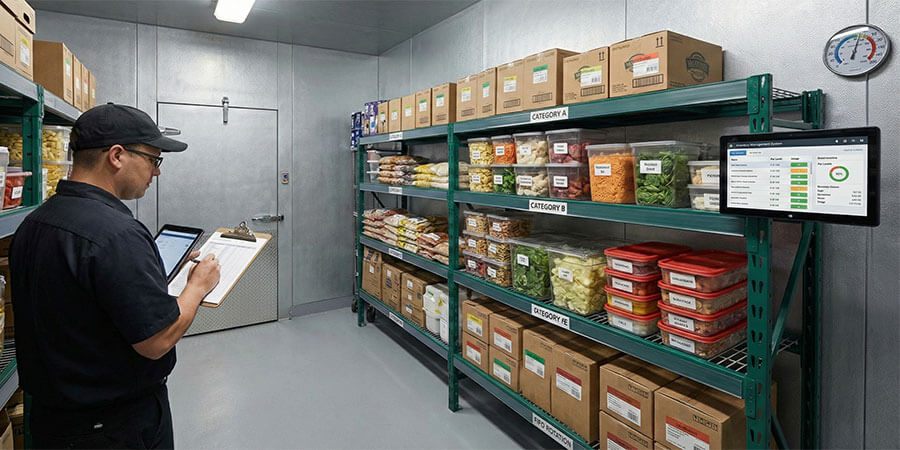
Optimization of Storage & Segregation Process to Reduce Food Spoilage Losses

Inventory inaccuracies in the Food & Beverage warehouse are causing stock mismatches, order
fulfillment delays, unnecessary stock adjustments, increased operational costs, and reduced
customer satisfaction. Inaccurate inventory records lead to excess inventory, stock-outs, rework
during picking and cycle counting, and poor decision-making in procurement and demand
planning. By improving Inventory Accuracy from 85.1% to 98%, the organization can reduce
inventory-related losses, improve order fulfillment performance, optimize warehouse
productivity, enhance customer satisfaction, and achieve better control over inventory assets,
resulting in significant cost savings and improved business performance.

Explore More

Subscribe to Our Newsletter

ยฉ2026, ICEQBS All Rights Reserved.